As businesses continue to look for ways to improve efficiency and reduce operating costs, investment in energy equipment has become a growing priority. Whether it is installing solar panels, upgrading heating systems or investing in energy-efficient machinery, these projects can deliver long-term savings while supporting wider sustainability goals.
However, the upfront cost of energy equipment can often be a barrier. This is where energy equipment leasing can provide a practical solution.
Rather than paying the full cost upfront, businesses can spread the investment over manageable monthly payments, making it easier to access the equipment they need while protecting cash flow.
In this beginner’s guide, we explain what energy equipment leasing is, how it works and why more UK businesses are choosing leasing to fund their energy projects.
What is Energy Equipment Leasing?
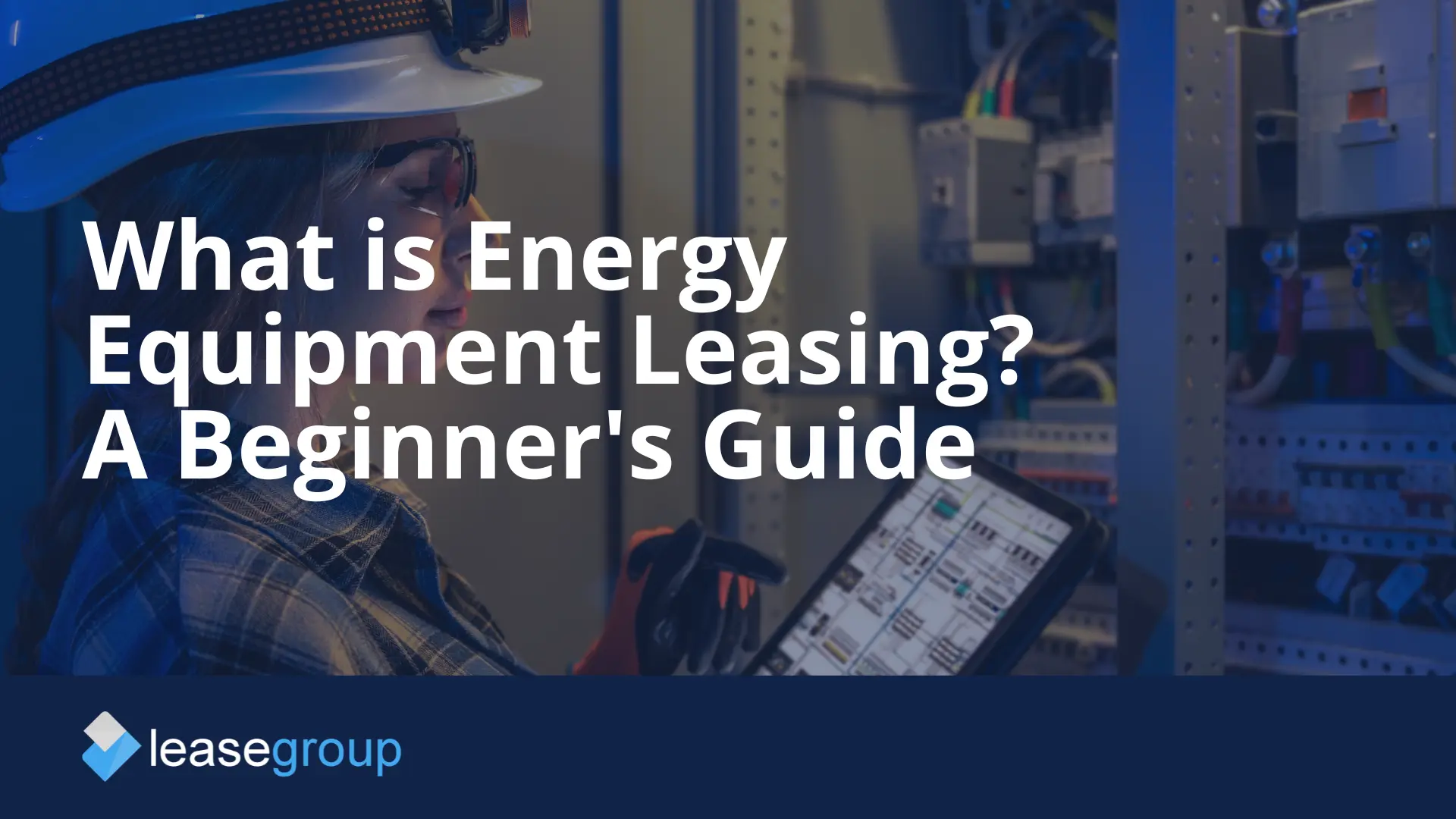
Energy equipment leasing is a type of business finance that allows organisations to acquire energy-related equipment without making a large upfront capital purchase.
Instead, the cost of the equipment is spread over an agreed term through fixed monthly payments. This enables businesses to invest in modern, energy-efficient technology while maintaining greater financial flexibility.
What Types of Energy Equipment Can be Leased?
Many types of energy-saving and renewable energy equipment can be financed through leasing, including:
- Solar panel systems
- Battery storage solutions
- Commercial heat pumps
- Energy-efficient lighting systems
- HVAC upgrades
- Combined heat and power (CHP) equipment
- Electric vehicle charging infrastructure for business premises
- Backup power and energy management systems
- Energy-efficient manufacturing equipment
The availability of finance will depend on the type of equipment and the individual circumstances of the business.
How Does Energy Equipment Leasing Work?
The process is relatively straightforward.
Once you have selected the equipment and supplier that best meet your business needs, a finance partner such as Lease Group can arrange a leasing solution to fund the purchase.
Following approval, the supplier provides and installs the equipment, while your business makes fixed monthly lease payments over the agreed term.
This allows businesses to benefit from the equipment immediately without committing a large amount of capital at the outset.
Why Do Businesses Choose Energy Equipment Leasing?
There are several reasons why businesses are increasingly choosing leasing over purchasing energy equipment outright.
Preserve Working Capital
Energy improvement projects can require significant investment. Leasing allows businesses to spread these costs over time rather than making a substantial one-off payment.
This helps preserve working capital, leaving funds available for day-to-day operations, recruitment or future growth.
Predictable Monthly Costs
Fixed monthly payments make budgeting much easier. Businesses know exactly what they will pay throughout the lease term, helping with financial planning and cash flow management.
Access Modern Technology
Energy technology continues to evolve, with more efficient equipment and smarter energy management systems becoming available. Leasing enables businesses to invest in the latest technology without waiting until sufficient capital has been accumulated.
This can help organisations improve efficiency sooner while remaining competitive in an increasingly energy-conscious business environment.
Support Sustainability Goals
Many organisations are working towards reducing energy consumption and lowering carbon emissions.
Leasing makes it more achievable to invest in equipment that improves energy efficiency, helping businesses support their environmental objectives while potentially reducing operating costs over time.
Leasing vs Buying Energy Equipment
When deciding whether to lease or purchase energy equipment, businesses should consider both their financial position and their long-term plans.
Buying equipment outright means full ownership from day one, but it also requires a significant capital investment. This can affect cash flow and reduce the funds available for other priorities such as expansion, recruitment or additional technology investments.
Leasing offers a more flexible approach by spreading costs through fixed monthly payments. This allows businesses to preserve working capital while still investing in equipment that can improve efficiency and reduce energy costs.
For many organisations, leasing provides a practical balance between upgrading their facilities today and maintaining the financial flexibility to respond to future opportunities.
Which Businesses Can Benefit?
Energy equipment leasing can benefit organisations across a wide range of industries, including:
- Manufacturing
- Warehousing and logistics
- Agriculture
- Hospitality
- Healthcare
- Education
- Retail
- Commercial offices
Whether the goal is reducing energy bills, improving operational efficiency or supporting sustainability initiatives, leasing can make energy projects more financially accessible.
Choosing the Right Finance Partner
When financing energy equipment, it is important to work with a finance partner that understands your business requirements.
Unlike equipment suppliers, Lease Group acts as an independent finance broker, helping businesses arrange competitive leasing solutions from a network of finance providers. This gives organisations the flexibility to choose the equipment and supplier that best suits their needs while securing a finance agreement tailored to their objectives.
An experienced finance partner can also help structure repayments that align with your budget, making larger energy investments more manageable without compromising cash flow.
Is Energy Equipment Leasing Right for Your Business?
Every business has different financial priorities, but for many organisations, energy equipment leasing provides an affordable and flexible way to invest in the latest energy-efficient technology.
By spreading costs over time, businesses can improve efficiency, reduce energy consumption and preserve valuable working capital without compromising on the quality of their equipment.
As energy costs continue to influence business decisions and sustainability becomes increasingly important, leasing is helping more organisations invest in technology that supports long term growth, improves operational performance and prepares them for the future.